Blog
Laser Cutting vs Waterjet Cutting: Which Is Best for Your Project?
When it comes to precision manufacturing, choosing the right cutting method can make a significant difference to your project’s quality, timeline, and cost. Two of the most widely used technologies in modern fabrication are laser cutting and waterjet cutting. Both offer impressive accuracy and versatility, but they operate in very different ways, and each excels in specific applications.
If you’re weighing up laser cutting vs waterjet cutting, understanding the strengths of each process will help you make a more informed decision. Whether you’re working with sheet metal, thick plate, or specialised materials, selecting the right method ensures optimal performance and efficiency from start to finish.
What Is Laser Cutting?
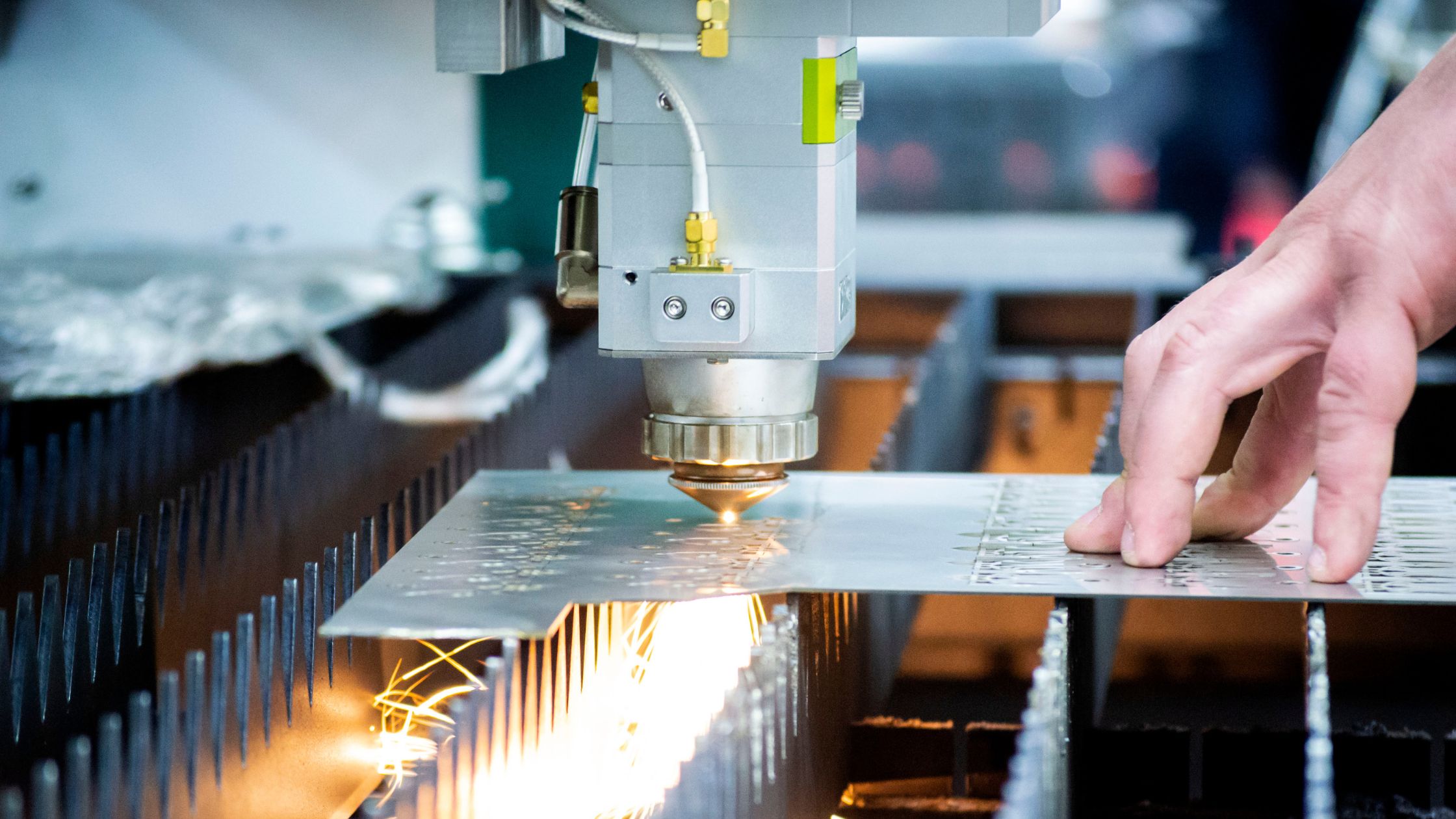
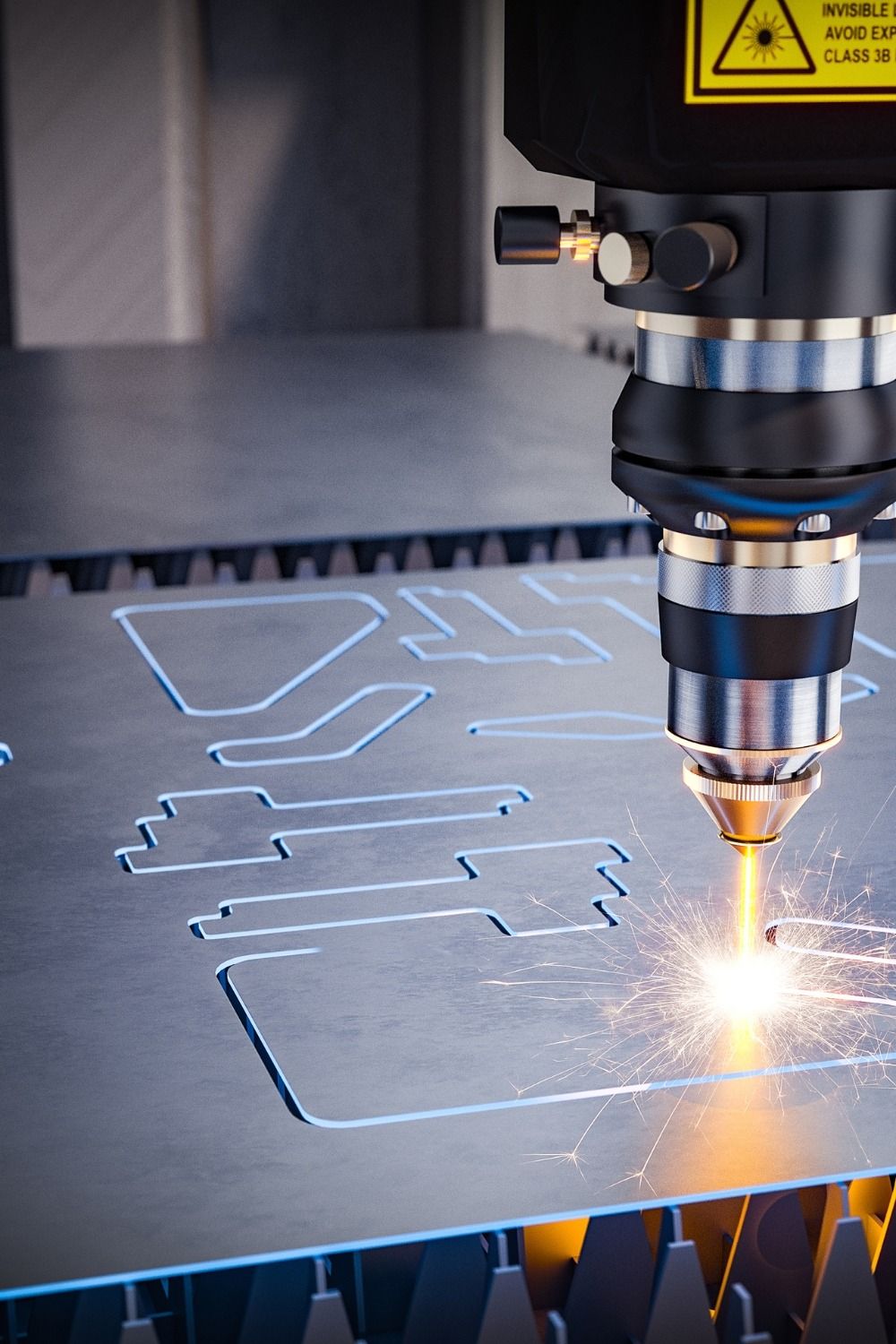
Laser cutting is a high-precision process that uses a concentrated beam of light to melt or vaporise material. Guided by CNC technology, the laser follows programmed paths to produce clean, accurate cuts with minimal waste. This makes it a preferred solution for projects that demand speed, consistency, and intricate detail.
Laser cutting is particularly effective for laser cutting for sheet metal, including mild steel, stainless steel, and aluminium. From architectural panels to industrial components, this method delivers smooth edges and tight tolerances, reducing the need for secondary finishing.
Advantages of Waterjet Cutting
- Exceptional accuracy and repeatability
- Faster production speeds compared to most cutting methods
- Clean, burr-free edges
- Ideal for complex shapes and intricate designs
- Cost-effective for thin to medium-thickness materials
These advantages of laser cutting make it one of the most reliable precision metal cutting methods in today’s manufacturing environment.
What Is Waterjet Cutting?
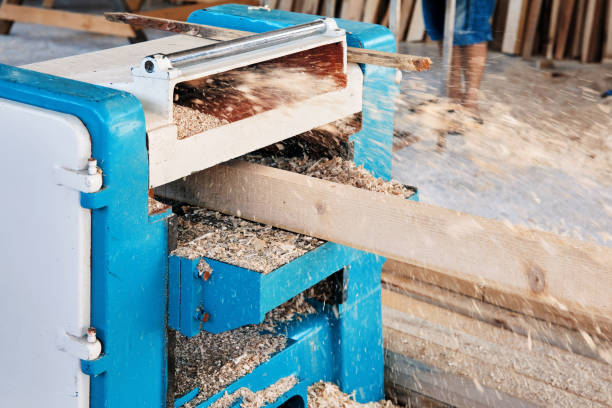
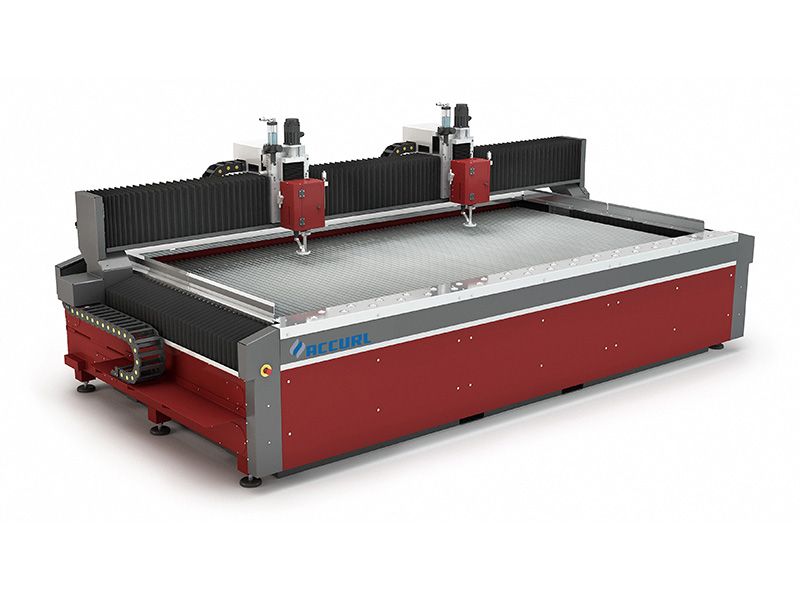
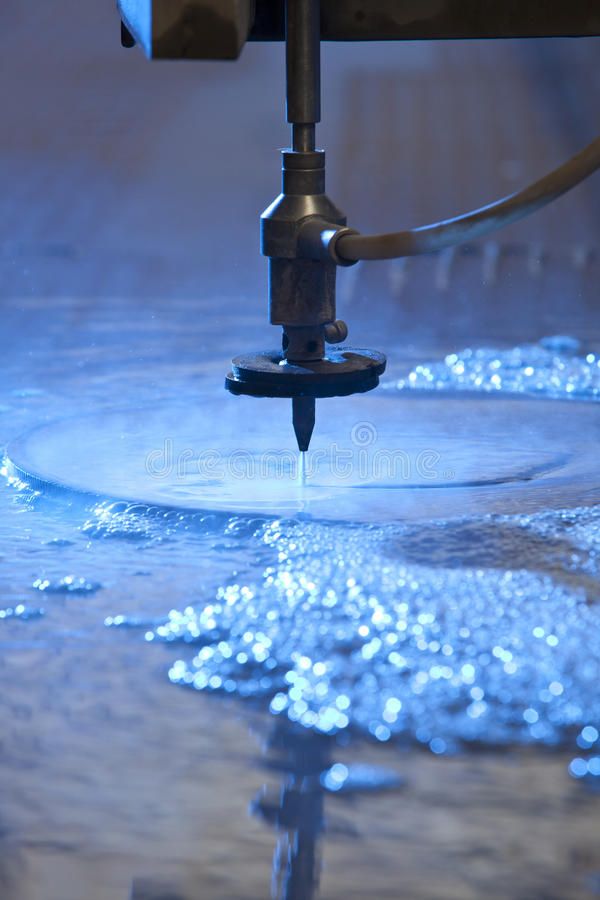
Waterjet cutting takes a completely different approach. Instead of heat, it uses an ultra-high-pressure stream of water (often combined with abrasive particles) to cut through materials. Because it is a cold-cutting process, waterjet cutting avoids thermal distortion, making it ideal for heat-sensitive materials and thicker sections.
This technique is especially effective for waterjet cutting for thick materials, including steel plates, composites, stone, and glass. Its versatility allows it to cut virtually any material without altering its structural properties.
Advantages of Waterjet Cutting
- No heat-affected zone or thermal distortion
- Suitable for thick and dense materials
- Ideal for heat-sensitive metals and composites
- Capable of cutting a wide range of materials
- Maintains material integrity and strength
The advantages of waterjet cutting make it indispensable in industries such as aerospace, mining, and heavy engineering, where precision and material preservation are critical.
Laser Cutting vs Waterjet Cutting: Key Differences
Understanding the difference between laser cutting and waterjet cutting is essential when deciding which method best suits your project. While both technologies deliver precise results, their capabilities and ideal applications vary.
Cutting Method
Laser cutting is a thermal process that uses focused energy to melt or vaporise material, while waterjet cutting is a mechanical cold-cutting process that relies on pressure and abrasion.
Material Thickness
Laser cutting performs best with thin to medium-thickness metals, offering speed and efficiency. Waterjet cutting, by contrast, excels at processing thicker materials without compromising structural integrity.
Precision and Edge Quality
Both methods deliver high precision, but laser cutting accuracy often favours laser technology over waterjet for intricate designs and fine tolerances. Waterjet cutting, however, provides exceptional accuracy without heat distortion, making it ideal for sensitive materials.
Speed and Efficiency
Laser cutting is typically faster and more efficient for high-volume production runs, particularly in sheet metal fabrication. Waterjet cutting is slower but offers unmatched versatility across materials and thicknesses.
Cost Considerations
Laser cutting is a thermal process that uses focused energy to melt or vaporise material, while waterjet cutting is a mechanical cold-cutting process that relies on pressure and abrasion.
Applications and Industry Use Cases
Both technologies play a vital role in modern fabrication, but their strengths suit different industries and project requirements.
Laser Cutting Applications
Laser cutting is widely used for:
- Sheet metal fabrication and manufacturing
- Automotive and transport components
- Architectural panels and decorative features
- Industrial enclosures and brackets
- Structural and precision engineering parts
These applications highlight why, in a CNC laser-cutting vs. waterjet-cutting comparison, laser cutting is often preferred for its speed, precision, and efficiency.
Waterjet Cutting Applications
Waterjet cutting is commonly used for:
- Thick metal plates and heavy-duty components
- Stone, glass, and ceramic fabrication
- Aerospace and mining equipment
- Composite materials and plastics
- Custom industrial parts requiring cold cutting
Its ability to cut a wide range of materials without heat makes it a versatile solution for complex and specialised projects.
Which Cutting Method Is Best for Your Project?
Choosing between laser cutting and waterjet cutting ultimately depends on your project’s specific requirements. Understanding when to use laser cutting vs. waterjet cutting can help ensure the best results in performance, cost, and efficiency.
Choose Laser Cutting When:
-
You’re working with thin to medium-thickness metals
-
High precision and intricate detailing are required
-
Fast turnaround times and high-volume production are priorities
-
Cost efficiency is a key consideration
-
The project involves sheet metal or structural fabrication
Laser cutting is often the preferred option when evaluating which is better, laser cutting or waterjet cutting, for projects focused on speed and precision.
Choose Waterjet Cutting When:
- You’re working with thin to medium-thickness metals
- High precision and intricate detailing are required
- Fast turnaround times and high-volume production are priorities
- Cost efficiency is a key consideration
- The project involves sheet metal or structural fabrication
Laser cutting is often the preferred option when evaluating which is better, laser cutting or waterjet cutting, for projects focused on speed and precision.
Laser Cutting vs Waterjet Cutting: Cost Comparison
When comparing laser cutting vs. waterjet cutting, laser cutting is generally more economical for sheet metal fabrication and high-volume production. Its speed, efficiency, and reduced need for finishing contribute to lower overall costs.
Waterjet cutting, while typically more expensive due to abrasive use and slower cutting speeds, offers unmatched versatility and precision for thick or heat-sensitive materials. In many cases, the choice comes down to balancing material requirements with budget and production timelines.
Choosing the Right Cutting Solution for Your Project
Both laser cutting and waterjet cutting are highly effective precision metal cutting methods, each suited to different applications and project requirements. Laser cutting stands out for its speed, accuracy, and cost-effectiveness, making it ideal for thin- to medium-thickness metals and high-volume production. Waterjet cutting, on the other hand, is the preferred choice for thicker materials and heat-sensitive applications, delivering precise cuts without thermal distortion.
If you’re unsure which cutting process is best for your project, the experienced team at KNS Metal Solutions is here to help. With advanced technology and extensive industry expertise, we provide tailored guidance and precision fabrication solutions to meet your exact requirements.
Contact us at KNS Metal Solutions today to discuss your project and discover the most efficient cutting solution for your needs.